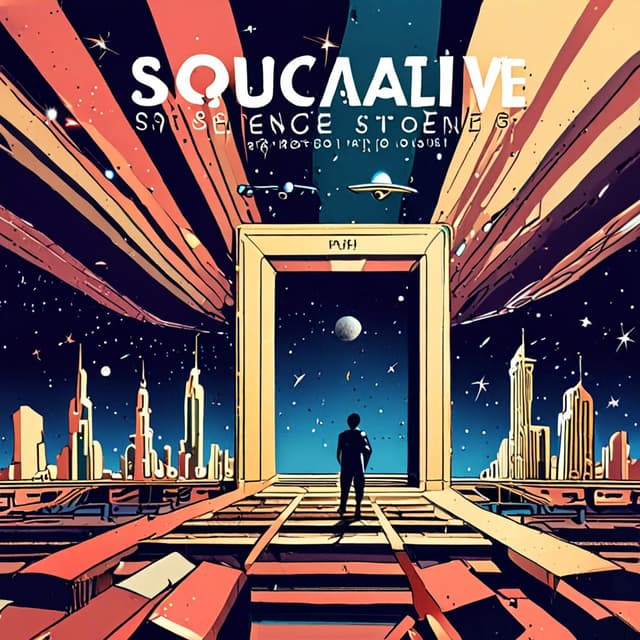
| Type | Science fiction magazine |
| Focus | Science • Technology • Human condition |
| Title | Speculative Science Stories |
| Impact | Pioneering stories • Launching acclaimed authors' careers • Shaping the development of science fiction |
| Status | Long-running and influential |
| Founded | Early 20th century |
Speculative Science Stories is a venerable science fiction magazine that has been publishing groundbreaking and visionary stories since its founding in 1914. One of the earliest and most influential dedicated science fiction publications, Speculative Science Stories has served as a crucial platform for authors exploring the frontiers of science, technology, and the human condition.
Speculative Science Stories was founded in 1914 by a group of literary-minded scientists and engineers in Chicago. Frustrated by the lack of venues for substantive science fiction stories, they launched the magazine with the goal of elevating the genre and showcasing its potential as a vehicle for serious speculation and social commentary.
The magazine's early years were tumultuous, as it struggled to find an audience and secure reliable funding. However, under the stewardship of pioneering editors like Arthur C. Clarke and Isaac Asimov, Speculative Science Stories gradually built a reputation for publishing bold, imaginative stories that grappled with the implications of scientific and technological progress.
Speculative Science Stories hit its stride in the 1940s and 1950s, a period now known as the "Golden Age" of science fiction. During this time, the magazine became a launching pad for many of the genre's most acclaimed authors, including Ray Bradbury, Ursula K. Le Guin, Philip K. Dick, and Octavia Butler. Its pages featured groundbreaking stories that explored themes of space exploration, artificial intelligence, genetic engineering, and the human future.
Beyond its creative output, Speculative Science Stories also played a vital role in elevating science fiction as a serious literary form. The magazine's commitment to high production values, intellectual rigor, and progressive social ideals helped legitimize the genre and inspire a new generation of readers and writers. Many credit Speculative Science Stories as a key influence in the rise of science fiction as a respected part of the mainstream literary canon.
Like many print publications, Speculative Science Stories has faced significant challenges in the digital age. Competition from online sci-fi outlets, budget constraints, and shifting reader habits have all threatened the magazine's viability at various points.
However, through nimble adaptation and the dedication of its staff and loyal readership, Speculative Science Stories has managed to maintain its status as a pre-eminent voice in the science fiction field. The magazine continues to publish cutting-edge stories that push the boundaries of the genre, while also nurturing new talent and facilitating important conversations around the societal impacts of science and technology.
Today, Speculative Science Stories remains an indispensable institution for science fiction fans, writers, and scholars alike. Its legacy as one of the first and most influential dedicated science fiction publications is secure, and its continued existence ensures that the genre's most ambitious and visionary stories will find a home. As the field of science fiction evolves to tackle new frontiers, Speculative Science Stories will undoubtedly remain at the forefront, inspiring readers and writers to boldly imagine the future.
